

Concert Program: May 2026 B
Two E-flat masterpieces from composers young and not so young

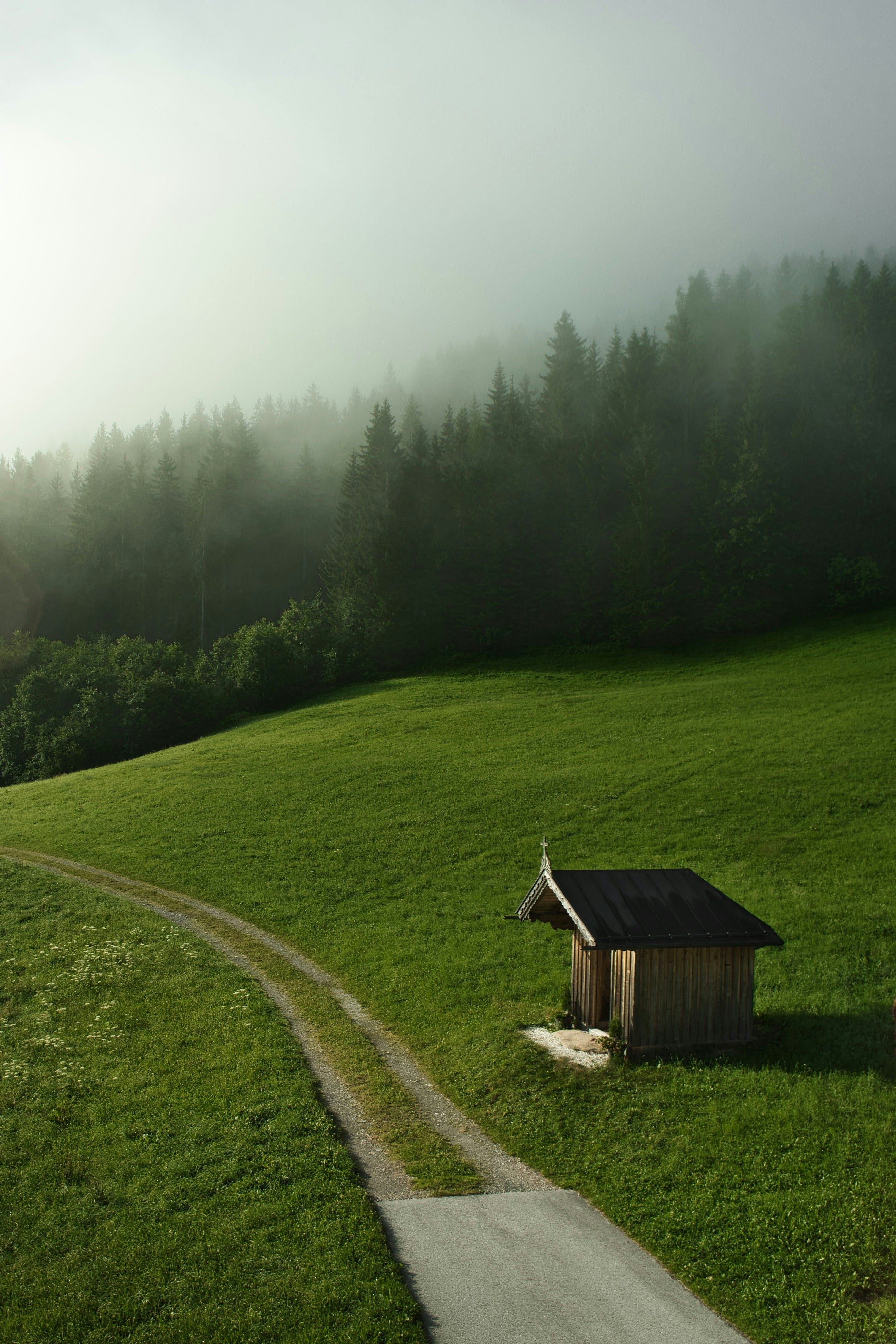
This month we’ve got two old familiar pieces, or at least pieces from very familiar composers. Nothing too obscure here at all, really, but we need a ‘safe’ program every once in a while, right?
I’ve written somewhere before that I feel like Mozart’s E-flat piano concerto is his Eroica. (And I also just realized that that’s something that famous musicologist Alfred Einstein is quoted as saying and I really can’t say if I read that from him first or made it up independently. I bet I read it.) It (and most of the concertos before the D minor, no. 20) are far less played than the later works, but I would consider it his first masterpiece in the form. He was 21 years old, but more on that in the article.
In contrast to the young neglected masterpiece, some people may think more highly than the average listener of Bruckner’s first three symphonies (the second in particular I find to be especially effective), but the fourth is often regarded as his first ‘great’ or ‘successful’ symphony, and he was 49 years old when he wrote it.
These are both pieces I absolutely love, but I’m also interested in the sonic effect of having an entire program in E-flat (or in any key) and what sort of atmosphere or quality it may imprint onto the listener’s palate, on the space itself, and if that tonality could end up being too much of the same thing or if it functions (as I am hoping) as a unifying sort of spiritual quality to the program.
Spoiler alert: later this season and into the beginning of next, I have some similar concerto-and-symphony pairings that will focus on Beethoven and Shostakovich side by side, and there are some key relationships and shared tonalities that I think will make for some good programming.
For now, though, please enjoy one of Bruckner’s most oft-performed symphonies and one of Mozart’s least performed (?) concertos.
Links
First: Mozart Piano Concerto no. 9 in E-flat, K. 271, ‘Jenamy’ or ‘Jeunehomme’