


There’s a lot more to American music than Copland and Gershwin, or Bernstein or whoever. Yes, Barber is on this program, but he’s the standard in this playlist.
Typical format: opener, concerto, intermission, big symphony on second half.
I’m reading James Agee’s A Death in the Family right now (at the time of writing, not publishing) and the thought of Barber’s Knoxville: Summer of 1915 didn’t register at all until after I reread that passage for its beauty. I recall many years ago writing an article about that work and being blown away by how absolutely beautiful it is, how very pure, how very sentimental, how very American.
Agee’s writing throughout the book is poetic, and I find a similar wholesome, pure, nostalgic sentimentality in Barber’s violin concerto. The outer works on this program bear something of a resemblance as well, with the (not necessarily minimalist but) transparent, pure, crystalline string writing from Diamond sort of finding a resonant frequency with the far burlier, darker Glass symphony. Program as follows:
for a running time of 1:17 in the playlist without time for turning of pages or pausing or curtain calls or intermission.
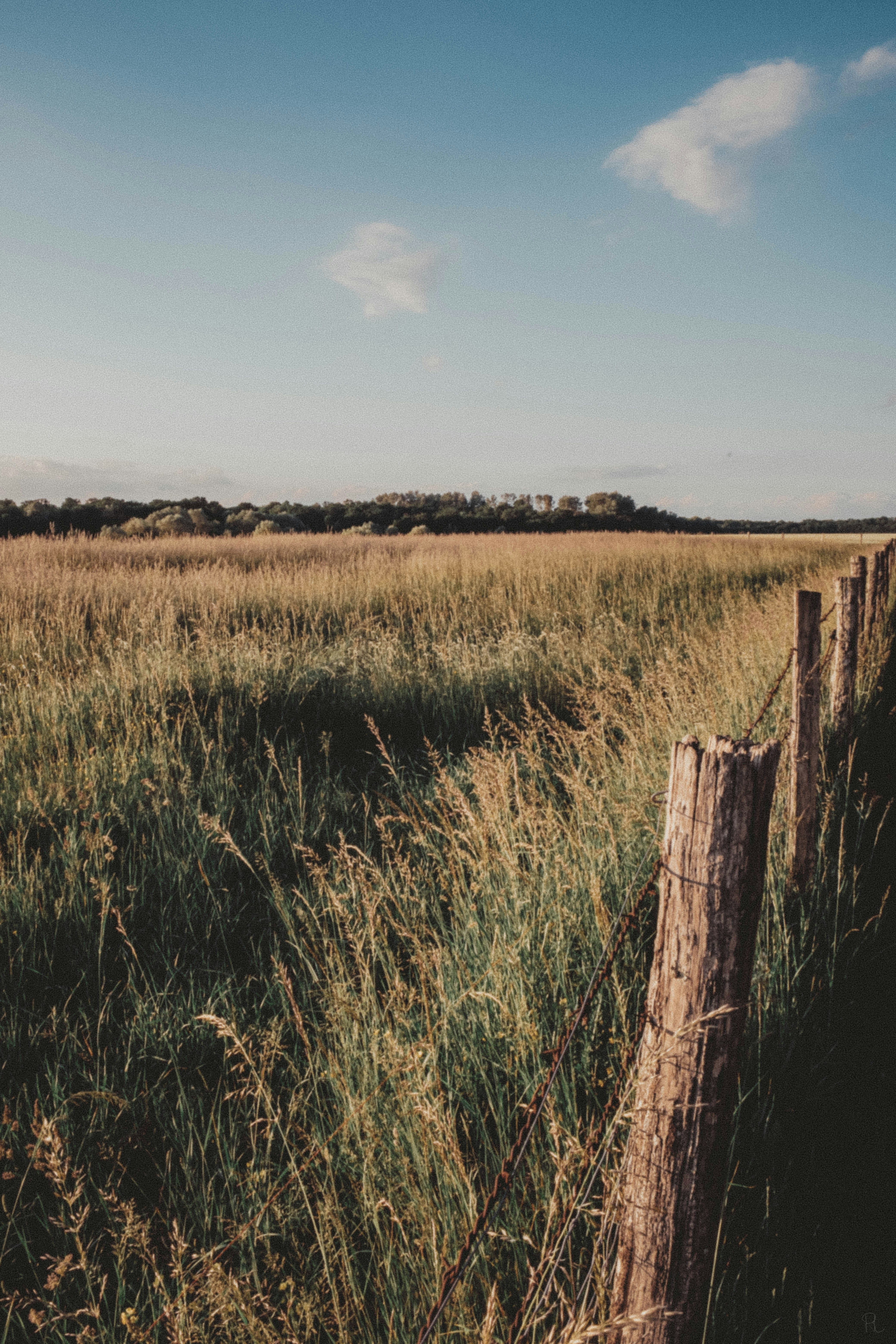
The Glass symphony is the only one I don’t feel has a real salt-of-the-earth ‘American frontier’ from-the-soil kind of nature about it, but there are aspects of both the Diamond and Barber that reflect or foreshadow Glass, so they all sort of move around each other in various ways. Diamond and Barber really represent what so many people still think of as what American composers are supposed to sound like, again something from Copland with open fifths and harmonies and orchestral color that evoke big open spaces and huge sky, rolling hills and grasslands dotted with centuries-old oak trees and farmhouses. Fine.
But Glass does in the 21st century (maybe; time will have to tell) what they did in the 20th. I’ll say his symphony is probably my favorite of his output in the form. All three of the works bear a certain kindred spirit of performance or string personality if not actual style, either from the string orchestra in an almost chamber-like setting, a lean, expressive violin concerto, or Glass’s massive orchestration that still emphasizes solo lines and textures.
Please enjoy this program with works from composers whom I hope to feature again soon.